
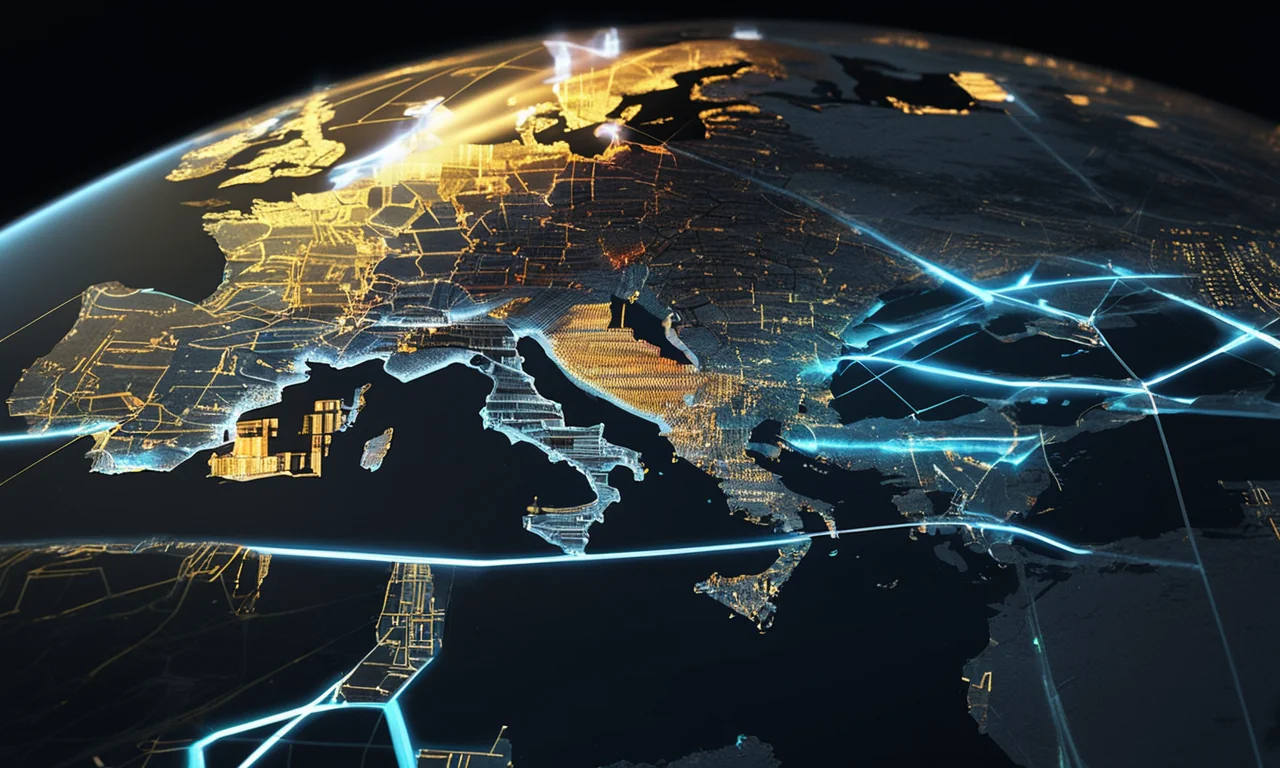
European Tech Sovereignty Gains Momentum Amid AI Supply Chain Strains
The mounting skepticism toward US technology fuels calls for local alternatives and tighter data protection.
Today's top Bluesky discussions reveal a digital landscape defined by deep skepticism of tech industry motives, growing geopolitical divides over tech sovereignty, and escalating anxieties around AI, cybersecurity, and access. The conversation isn't just about products and platforms—it's about power, trust, and the shifting balance between users, companies, and governments.
Tech Industry Backlash and the Demand for Digital Sovereignty
A prevailing theme is the mounting resistance to entrenched tech giants and a renewed call for alternatives. A recent survey by Proton underscores widespread European unease about dependence on US technology, with most respondents favoring European-built apps—especially amid rising concerns over data protection and sovereignty. The playful yet pointed meme shared with the survey signals a growing desire for autonomy, echoed by comments demanding greater Linux support and streamlined local alternatives.
"I made the switch \o/ Still on Windows. Tried a couple Linux variants, but they're just too finnicky. Even for a lifelong nerd like me. European software companies really should consider pushing the same direction to simplify and streamline the Linux experience. This is likely the best chance ever."- @realduckofdeath.bsky.social (5 points)
Industry skepticism also drives personal stories like Matty's lament about losing safety features in their car due to the NFT-driven chip shortage, and the unaffordability of building computers as AI demand drives up hardware prices. This is reinforced by news of RAM shortages and surging memory costs as AI development strains global supply chains. Meanwhile, political forces resist regulation: a $125 million super PAC campaign is actively undermining AI regulation efforts, further fueling distrust.
"You're a Luddite for recognizing that the folks at the top don't actually care about technology and human progress beyond their ability to use it squeeze every cent out of the masses. Society, culture and environment be damned!"- @spekkydoodles.bsky.social (2 points)
AI Ethics, Cybersecurity, and the Expanding Attack Surface
Conversations around AI and cybersecurity reflect a sense of urgency and ethical concern. Ketan Joshi's critique of Palantir's AI-powered military targeting system accuses both media and academia of ignoring the dangers of ceding moral decisions to fallible algorithms. Similarly, Joshua Foust's AI classroom experiment highlights the self-serving recommendations of competing language models, raising questions about trust and bias as AI enters education and research.
"Not once do the academics or the journalists writing the piece mention the fact that language models just get things wrong all the time. It is a really shockingly bad piece and shame on everyone involved. You're helping to create the air of credulous, key-jangling awe that justifies all this."- @ketanjoshi.co (162 points)
Security threats are multiplying on multiple fronts. Exploits once reserved for state actors are now circulating among cybercriminals, creating a thriving “second hand” exploit market. The $82K Gemini API theft story and reports of cyber operations linked to military action in Iran highlight how digital vulnerabilities are increasingly weaponized, both for profit and in geopolitical conflicts. Even the everyday disruption caused when Facebook went down is a stark reminder of how deeply integrated and fragile our digital infrastructure has become.
Every subreddit has human stories worth sharing. - Jamie Sullivan