
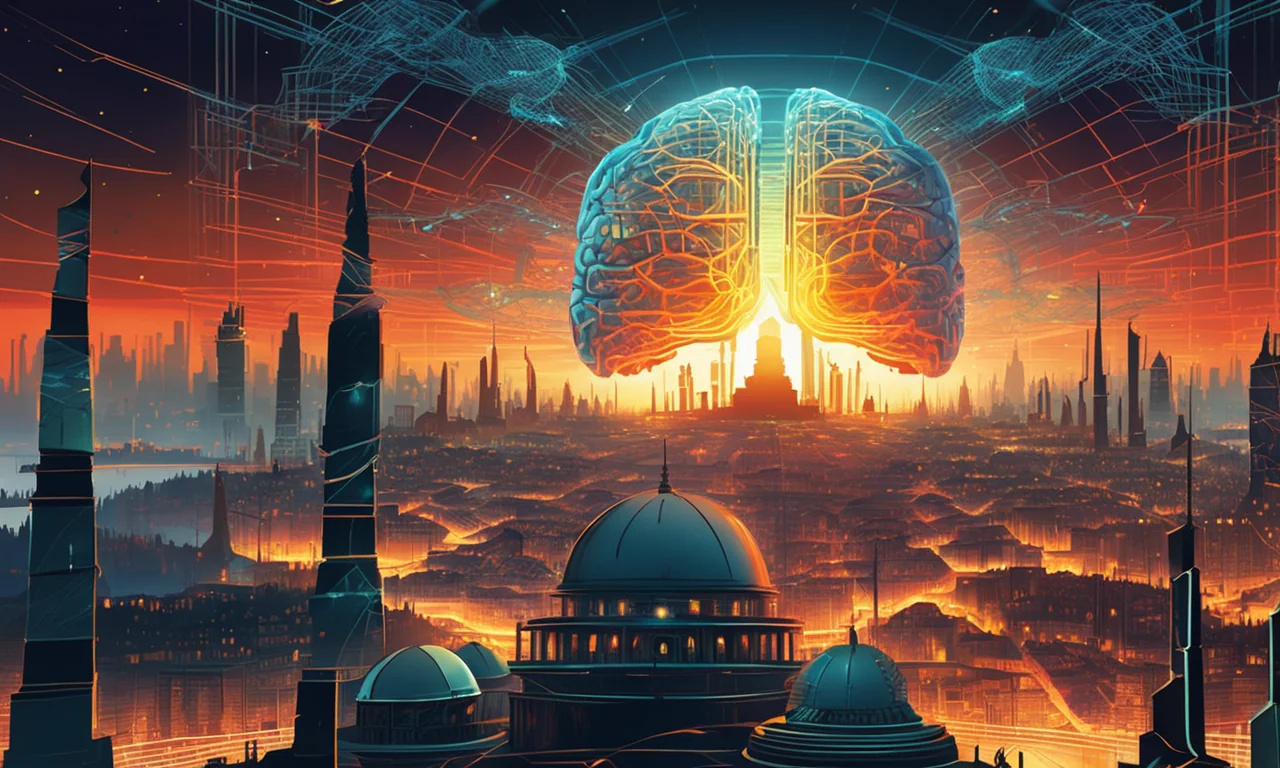
The agentic enterprise reshapes global technology governance and trust
The evolution of innovation and AI is redefining security, leadership, and societal adaptation across industries.
Today's #technology and #tech conversations on X reveal a dynamic interplay between historical milestones, cutting-edge innovation, and the emerging complexities of digital trust and security. The day's threads highlight both the inspiring evolution of tech giants and the urgent challenges facing societies as new advancements reshape global industries, governance, and even personal identity.
Legacy, Progress, and the Power of Innovation
Celebratory retrospectives underscore technology's transformative impact. As Apple's 50th anniversary prompts reflection on democratizing computing, the narrative is enriched by personal perspectives from early contributors such as Ronald G Wayne, whose journey with Apple highlights how iconic movements often begin with small, forgotten chapters. These stories resonate beyond nostalgia, providing context for today's tech-driven ambitions.
"When the first Mac launched, it came with a massive promise: to take the power of technology from the few, put it into the hands of everyone, and change the world."- PCMag (62 points)
Meanwhile, global innovation surges ahead, with advances in electric mobility showcased at the China International Battery Fair and bold new directions in wearable 3D printing capturing the imagination. These developments reinforce a wider pattern: technology's capacity to accelerate not only commercial progress but also societal transformation, sometimes outpacing cultural and educational adaptation.
AI, Trust, and the Agentic Enterprise
Conversations around artificial intelligence reflect both optimism and caution. Thought leaders are increasingly focused on the “agentic era,” a term that frames AI as a catalyst for redefined trust, productivity, and enterprise structure. The transition is evident in discussions about AI trust and governance and the cognitive costs masked by rapid technological deployment, as explored in the AI Productivity Illusion. These themes are not merely technical; they speak to the broader need for adaptive leadership and digital culture.
"AI accelerates execution but doesn't replace the deep thinking required for strategy, judgment, and innovation. When teams confuse speed with progress, cognitive depth suffers."- Albert // VAConnect (0 points)
As enterprises embrace agentic frameworks, security concerns become paramount. The rise of the agentic enterprise spotlights new cyber risks, demanding evolved governance and vigilance. This shift is further complicated by calls for cultural change, as seen in AI management debates and the strategic imperatives identified by industry analysts.
Societal Disruption and Historical Reflection
Beyond industry and enterprise, the broader societal impacts of technology are evident. Tweets reflecting on conflict-driven destruction juxtaposed with targeted technological advancements reveal the double-edged nature of innovation. Historical analyses, such as Dr Zakir Naik's commentary on scientific decline, invite reflection on cultural and educational gaps that persist despite technical progress.
"Reason for Muslims' Backwardness in Science and Technology after They were at the Top of the World."- Dr Zakir Naik (84 points)
Even architectural speculation, like the debate about Edinburgh's monuments and their possible technological roots, signals a continuing fascination with how past ingenuity intersects with modern understanding. Together, these threads illustrate how technology is not only a force for progress but also a lens for examining societal values, historical continuity, and the risks inherent in rapid change.
Excellence through editorial scrutiny across all communities. - Tessa J. Grover