
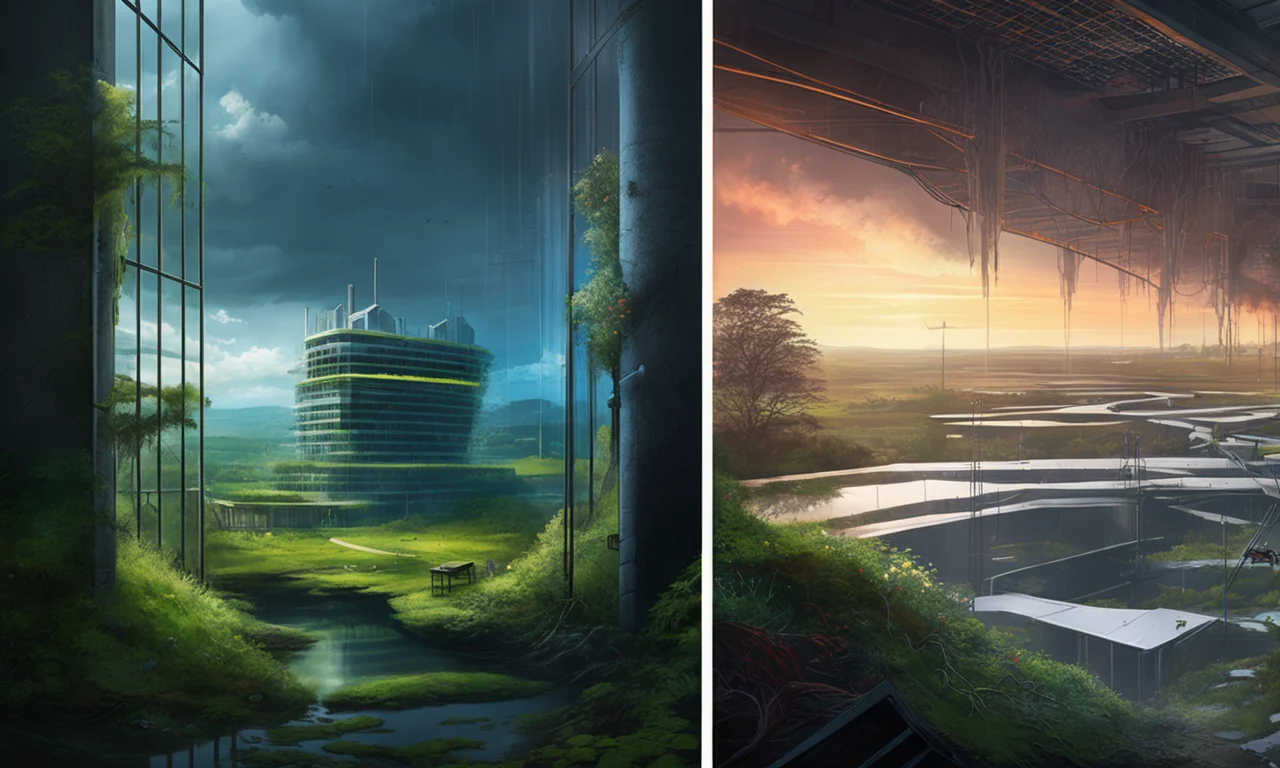
Most Americans prefer nuclear plants to AI data centers
The shift underscores mounting backlash against AI infrastructure, security lapses, and job uncertainties.
Today's r/technology reads like a reality check: institutions are rewriting rules for an AI era, users are rethinking which infrastructure they'll tolerate in their backyards, and trust in major platforms is being tested under the glare of security flaws. Amid the pushback and patch notes, a small but notable lab breakthrough hints at a longer horizon for optimism.
AI's social cost lands in classrooms, boardrooms, and neighborhoods
Education moved from honor to oversight as readers debated how Princeton will supervise exams for the first time in 133 years, a symbolic pivot toward proctoring in the age of AI tools. In the same vein, a conversation about assessment norms surged around the idea that “A” grades are suddenly everywhere since the arrival of ChatGPT, reinforcing that pedagogy is shifting just as fast as the tech itself.
"Get ready for the lowest test scores in 133 years!..."- u/marvbinks (12651 points)
Corporate leaders are feeling a different kind of whiplash. A widely shared analysis warned that the AI layoff bill is coming due and CTOs may pay it twice, while a candid Bay Area snapshot argued tech layoffs have been brutal this year and could get worse. Taken together with the education threads, the community is sketching a bigger picture: rapid adoption without clear guardrails is spilling costs into classrooms, careers, and community confidence.
Trust on trial: vendors, vulnerabilities, and the fight for control
Microsoft dominated the reliability discourse after reports that Windows 11 has been downgrading graphics drivers collided with fresh alarms that BitLocker-protected drives can be opened with a simple USB exploit. The mood wasn't just frustration about bugs; it was skepticism about whether platform stewards can still earn back user trust.
"That “winning back trust” should start any day now..."- u/Teddy_RGB (1172 points)
That skepticism extended to hardware ecosystems as a right-to-repair flashpoint reignited: readers rallied around the saga in which Louis Rossmann hosted a banned 3D printer firmware fork and dared Bambu Lab to sue. Whether it's firmware access or operating system updates, the thread tying these debates together is clear—users want autonomy, transparency, and security, not closed doors and surprise regressions.
"That is both amazing and horrible."- u/grafknives (342 points)
Infrastructure trade-offs and a flicker of long-horizon science
Outside the datacenter, sentiment is shifting fast. One widely cited poll write-up said people would rather have nuclear plants in their area than AI data centers, while another noted that 70% of Americans now oppose data centers near their homes. Energy, water, and quality-of-life costs have turned “more compute” into a neighborhood issue, not just an industry line item.
"More nuclear power would be amazing, I would love to see us building more reactors. ..."- u/Aliceable (2082 points)
Amid the pushback, a different kind of future peeked through the lab window as researchers reported transferring a naked mole rat longevity gene into mice to extend lifespan. It's a reminder that not all “big tech” stories are about servers and software—some are about biology's potential to change the arc of human health, even as the digital world renegotiates its place in daily life.
Every subreddit has human stories worth sharing. - Jamie Sullivan