
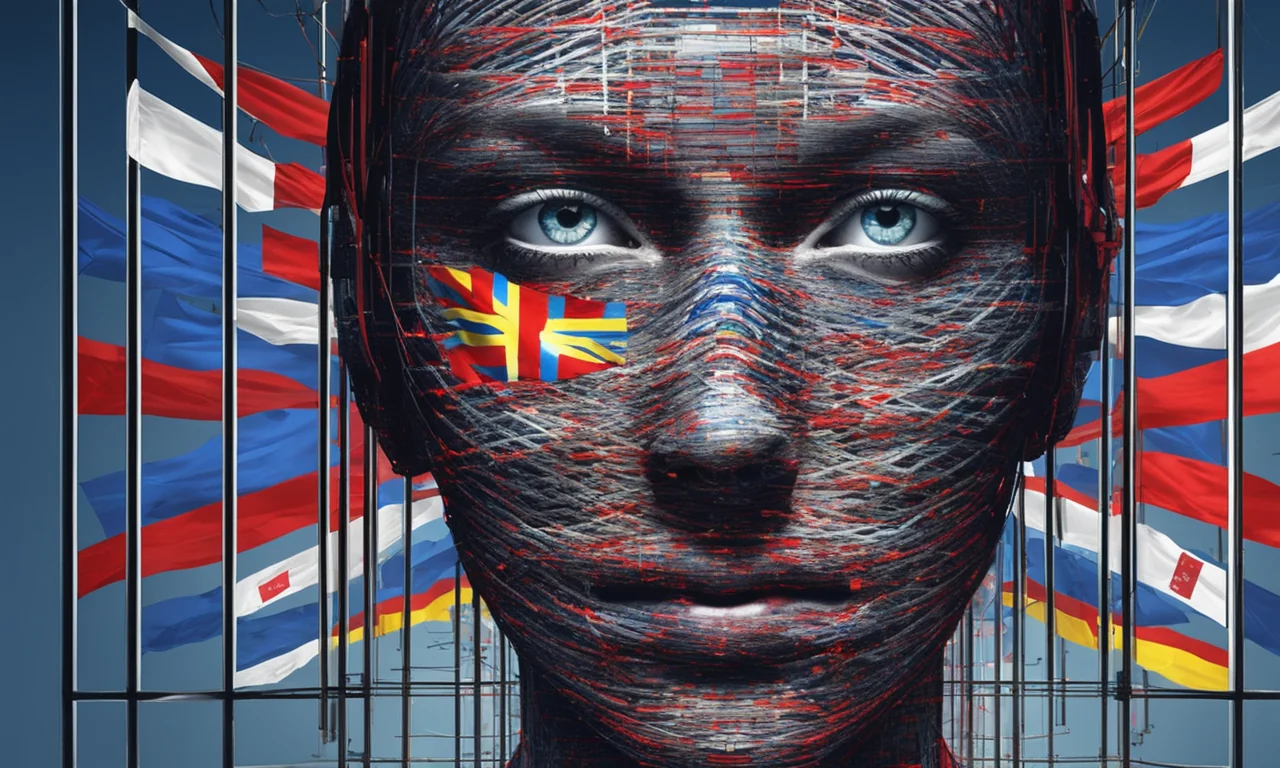
AI Skepticism Rises as European Tech Sovereignty Gains Momentum
The debate over artificial intelligence intensifies amid calls for transparency and digital independence in Europe.
Today's Bluesky technology threads reveal a landscape grappling with both the disruptive force and the underlying politics of tech innovation. From privacy-driven European sovereignty to AI skepticism and elite gatherings shaping industry direction, the community is sharply attuned to both practical deployments and the broader societal implications of digital platforms.
AI Disruption and the Limits of Technological Sentience
Debate around artificial intelligence is intensifying, with leading voices warning against personifying digital assistants and generative tools. One widely shared statement from TechCrunch asserts, "These are not your friends. These are not conscious beings. These are not sentient interlocutors," underscoring the need to maintain a critical distance from increasingly lifelike AI interfaces. This skepticism is echoed across posts questioning the inherent value or risks of AI, as seen in Tim Bousquet's reflection that technology's impact depends more on deployment and profit motives than on the tools themselves.
"These are not your friends. These are not conscious beings. These are not sentient interlocutors."- @techcrunch.com (472 points)
The rollout of new features such as those in iOS 27 is met with ambivalence, with some users highlighting the ecosystem lock-in over the supposed utility gains, and others bluntly stating, "AI is not a feature, it's a bug." Meanwhile, the departure of prominent figures from Google DeepMind and ongoing flaws in Google's bug bounty practices, as reported by The Register, suggest instability within major AI players. The creative process, illustrated by Touhou-inspired character designs, further demonstrates how AI and digital tools are reshaping artistic and cultural boundaries.
"Tech is not inherently good or bad. It's how it's deployed (or in this case, not) and who profits from it that matters."- @timbousquet.bsky.social (104 points)
Digital Sovereignty and the Complex Role of Technology
As Europe advances its privacy-first tech stack, Tuta's recognition in the European Tech Sovereignty Catalogue marks a significant push towards digital independence. This movement is fueled by a desire for secure, locally managed solutions, yet also highlights the challenge of scaling such sovereignty globally—sparking questions about accessibility and legislative hurdles like #chatcontrol. The practical necessity of advanced technology is brought into sharp relief by Volberg's account of a refinery's reliance on Western imports for specialized equipment, exposing the limitations of sanctions and the persistent need for expertise beyond national borders.
"While heavy equipment and actual construction was Russian, as long as the sanctions are in place, Russia can't not fix it to previous level. They just have the technology or the knowhow."- @volberg.bsky.social (19 points)
For individuals like Tarja Porkka-Kontturi, whose experiences are detailed in her personal reflection, technology is a double-edged sword—crucial for daily life but often undermined by the rise of automated, AI-driven responses replacing genuine human knowledge. This tension underscores broader anxieties about the erosion of lived expertise in favor of algorithmic convenience.
Power, Transparency, and the Shaping of Tech Agendas
Underlying much of the technological conversation is the question of who truly sets the agenda. The revelation of a leaked Thiel retreat list exposes a network of tech magnates, political figures, and media influencers convening in secrecy, raising concerns about transparency and the democratic legitimacy of such gatherings. This theme resonates with other posts highlighting Google's handling of security issues, where a researcher's bug report was acknowledged but not rewarded, suggesting a disconnect between public-facing narratives and internal priorities.
"Peter Thiel is puer aeternis, Peter Pan."- @arabellaspireship.bsky.social (6 points)
These overlapping stories illustrate a growing skepticism about the concentration of power within tech circles and the mechanisms by which influence is wielded—whether through closed-door retreats or selective attention to critical vulnerabilities. As Bluesky users dissect these patterns, they foreground the need for open debate and accountability amid rapid digital transformation.
Excellence through editorial scrutiny across all communities. - Tessa J. Grover