
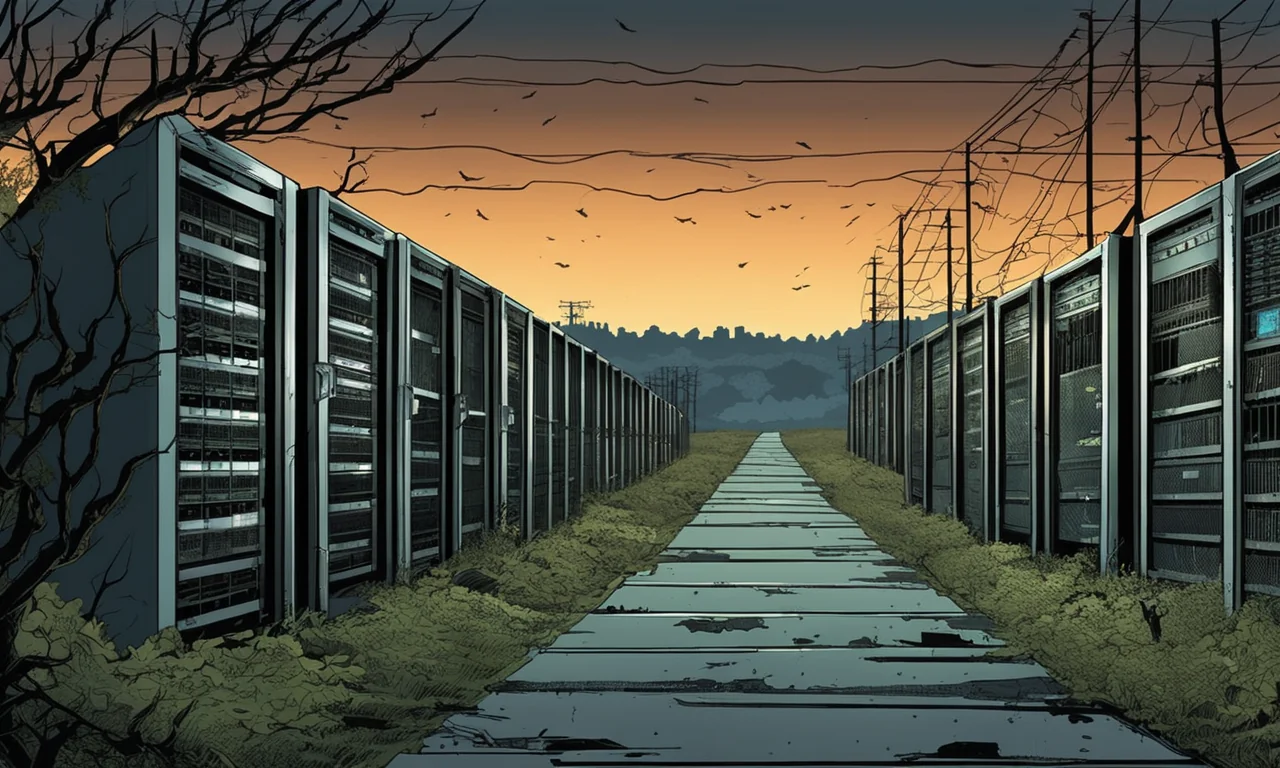
Public backlash slows data centers as lawmakers target surveillance
The analysis shows working-class areas resisting projects fivefold as compute expansion accelerates.
Today's r/technology reads like the ledger of a tech boom that forgot to ask permission. Communities are pushing back, lawmakers are testing the brakes, and platforms keep sprinting until journalism or regulation throws a barricade in their path.
When “progress” paves over people
The week's defining friction is local: an analysis of protest movements shows working-class neighborhoods resisting data centers at five times the rate of wealthy ones, while a Texas family's parkland gift became a civic betrayal story as the city sold it to a data center developer. People aren't rejecting “technology”; they're rejecting being steamrolled by its infrastructure.
"It's amazing how often 'great for the future' ends up meaning 'terrible for the people who already live there.'"- u/ArgentineBeauty (6416 points)
Meanwhile, Big Tech is improvising new ways to outrun public oversight, as Meta's scramble for compute morphs into weatherproof tent “data centers” packed with AI chips. Speed is the point—cut years to months, power up with portable turbines, and worry about the neighbors later—which is exactly why resistance is no longer a niche posture but a default setting.
Smart glasses, dumb trust
On the surveillance front, public consent is catching up to the gadget hype. A Pennsylvania lawmaker's push for a recording indicator on smart glasses dovetails with a parallel push detailed in a proposed House Bill 2603 mandating an always-on light, an attempt to stop covert filming from becoming ambient life.
"People already cover/disable the LEDs on these glasses to hide current indicators. forums are full of how-to guides to disable the visual indicators."- u/madgoat (1906 points)
Trust erodes faster when platform behavior confirms suspicion: journalists exposed an embedded facial-recognition “NameTag” in Meta's glasses that Meta says was unreleased and misrepresented, and the company removed the code a day after WIRED reported it. In a week where lawmakers demand visible recording, watching a platform quietly prep faceprints is the perfect case study in why “move fast” keeps meeting “no, thanks.”
Regulators rediscover their spine—and their blind spots
States are starting to legislate what platforms refused to self-govern: Massachusetts advanced a privacy bill banning the sale of precise location data, while platforms' political side hustles keep surfacing, most starkly in CBC's report that Facebook paid overseas accounts to agitate Alberta separatism. The public mood is souring on invisible data trades and invisible influence operations alike.
"The threshold loophole is real. Data brokers will just fragment their operations the second this passes. Good intention, weak enforcement mechanism."- u/Boring-Shop-9424 (39 points)
And then there's the cult of inevitability: even space-age empires can wobble, as seen in a speculative warning that SpaceX could collapse spectacularly. Taken together with emergency compute tents and emergency privacy laws, the week's throughline is simple: the tech sector still moves fast, but the public is finally learning how—and when—to pull the plug.
Journalistic duty means questioning all popular consensus. - Alex Prescott